Swimming is a fun summer activity and an important life skill that can enhance a child’s safety, health, and confidence. Many parents wonder when the ideal time is for their kids to start swimming lessons. While every child develops at their own pace, understanding the right age to introduce swimming can make the experience safer and more enjoyable.
With the right preparation and tools, parents can make the process of learning to swim both effective and exciting.
Water safety is a primary reason parents encourage early swimming lessons. According to child safety experts, drowning remains one of the leading causes of accidental death among young children. Gradually and safely introducing kids to water can significantly reduce this risk.
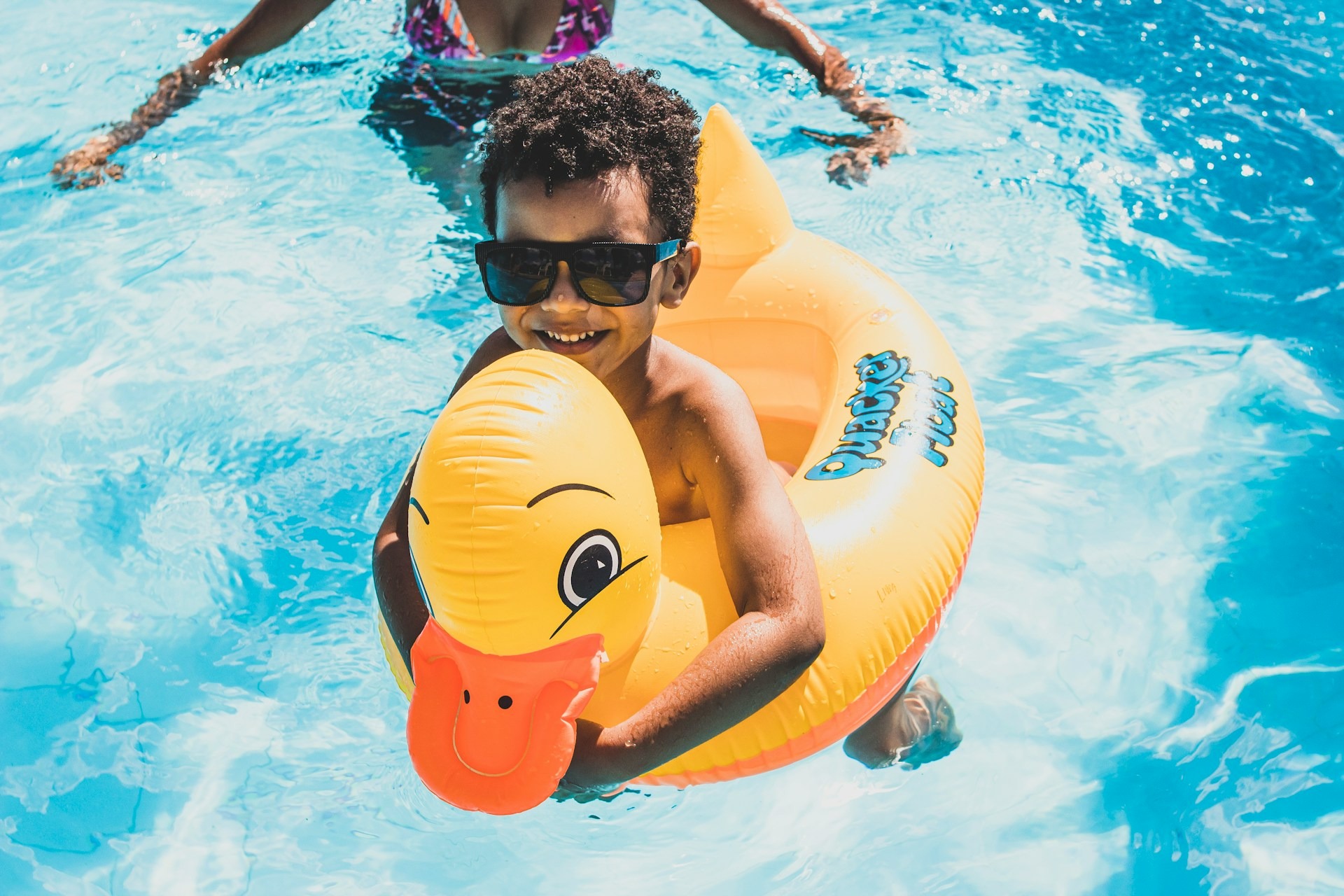
Even gentle water activities can enhance balance and motor skills in younger children. By incorporating tools like pool floats, children can feel secure while learning basic movements. These floats provide both safety and a sense of independence, allowing kids to explore the water in a supportive environment.
Early exposure also helps children build comfort and confidence in the water, making it much easier to learn proper swimming techniques. Beyond safety, swimming offers multiple physical and developmental benefits. It promotes cardiovascular health, strengthens muscles, and improves coordination.
Experts generally suggest introducing children to water activities as early as six months old. Structured swimming lessons are typically recommended around age one or two.
At this stage, children can begin to develop familiarity with water through playful activities such as splashing, kicking, or floating with assistance. However, readiness varies. Some children may feel comfortable sooner, while others may need more time.
By ages three to four, many children are ready for more structured lessons. They can begin to understand instructions, follow basic safety rules, and practice rudimentary swimming techniques like floating, paddling, and blowing bubbles.
For children five and older, swimming lessons can focus on building technique, endurance, and style. At this stage, kids can learn strokes such as freestyle, backstroke, and breaststroke, all while gaining confidence in their abilities. Consistent practice, preferably a few times a week, ensures steady progress and reinforces safety habits.
Not every child reaches the same developmental milestones at the same time, so it’s important to recognize signs of readiness. A child who is comfortable in water, enjoys water activities, and does not panic when splashing or getting wet is likely ready to start learning.
Basic coordination, such as holding their head above water, kicking their legs, and following simple instructions, indicates readiness. Curiosity and engagement in water play also demonstrate that a child is ready to participate in swimming lessons.
Introducing children to swimming should begin gradually, with short sessions focused on play and comfort. Over time, the duration and difficulty of the lessons can be increased as the child becomes more confident.
Using safety gear such as swim vests, arm bands, and pool floats provides security while giving children a sense of independence. Professional lessons with certified instructors are highly recommended because these experts know how to teach swimming safely and effectively, adjusting to each child’s unique needs.
Making the experience fun with games, songs, and toys helps keep children motivated. Parents modeling calm and enjoyment in water can positively influence their child’s attitude toward swimming.
While swimming is a valuable skill, water safety should always come first. Children should never be left unattended near water. Constant supervision and reinforcing basic water safety rules, such as not running near pools or entering deep water alone, can prevent accidents.
Encouraging early swimming lessons doesn’t mean rushing the child. Every child develops at their own pace, and pushing too hard can create fear or resistance. By combining gradual exposure, supportive equipment, and professional guidance, parents can foster both safety and enjoyment in swimming.
Learning to swim at the right age helps children gain confidence, coordination, and independence. From playful splashes to mastering formal strokes, swimming can become a lifelong skill that promotes health and safety.
Whether your child starts lessons at age two, four, or six, the key is consistency, encouragement, and making the experience enjoyable. Swimming is an investment in your child’s safety, health, and happiness.
By paying attention to developmental readiness and providing supportive tools, you can help your child build confidence and competence in the water, ensuring they enjoy swimming for years to come.
 Supriyo Khan
 Supriyo Khan
 Supriyo Khan
 Supriyo Khan

Want to add a comment?