The 2026 motorcycle market is genuinely complicated. Gas versus electric, radar cruise control, smartphone integration, sticker prices that keep climbing, and you haven't even sat on a bike yet. Whether you're chasing canyon switchbacks or just want a smarter commute, picking the wrong machine costs you real money and real confidence.
This guide hands you practical motorcycle buying tips for every stage of the process, from clarifying your riding goals to signing the final paperwork, so you leave the dealership with a bike you're proud of, not one you're already second-guessing.
Seriously, before anything else, be honest with yourself about how you'll actually use this bike. Not how you imagine you might someday use it.
Do yourself a favor and actually sit on the bike at the showroom. Run a flat-foot test. Take a slow roll around the parking lot. Sweep the handlebars lock-to-lock. Comfort and control aren't optional extras; they're safety features.
This matters especially in places like Heber City, Utah, which sits above 5,500 feet in elevation and feeds into canyon terrain through the Wasatch Back. The physical demands on a rider there are real and worth accounting for before you buy.
For riders in Utah's Intermountain region, you'll find strong adventure and sport bike selections, including models like the Africa Twin DCT built specifically for high-altitude, variable-terrain environments, through dealerships carrying honda motorcycles ut inventory.
Commuting, canyon carving, adventure touring, and weekend off-roading each demand a fundamentally different machine.
Getting the category right matters far more than getting the brand right. If the bulk of your miles are city stop-and-go, a nimble naked standard will serve you better than a 700-pound touring rig that requires a CrossFit warmup to maneuver.
Buying at the wrong displacement level is one of the most consistent first-time mistakes out there. Urban and newer riders generally thrive on 300–500cc bikes. Mixed-use riders do well in the 650–900cc range.
Liter-class machines only make sense when real-world experience genuinely supports them, not YouTube confidence. Here's something most buyers don't realize until the insurance quote lands in their inbox: engine size directly affects your premium from day one.
Today's market has sharp edges. Unprepared buyers get cut on pricing and fees constantly, and the cuts aren't small.
Base MSRP is just where the conversation starts. Freight, setup, documentation, and state fees routinely stack $800–$2,000 on top of that number.
Always request a written-out-the-door quote before negotiating anything. Getting that quote from multiple dealers, including regional options, gives you actual data to work with instead of gut feelings.
Off-season buying, late fall through early spring across most U.S. markets, consistently produces better pricing. End-of-quarter windows and model-year changeovers are worth targeting too.
Some of the genuinely compelling best new motorcycles 2026 deals come from previous-year leftover units sitting on dealer floors with full factory warranties completely intact. Don't overlook those.
Set your maximum out-the-door number before you walk through the door. Separate the base bike price from add-ons like extended warranties and gap insurance from the very start of the conversation. And being willing to walk, saying so calmly, without drama, remains the single most effective tool any buyer carries into a dealership.
Spec sheets separate genuinely great motorcycles from cleverly marketed ones. You just need to know what you're reading.
ABS is not hype. Insurance collision claims for motorcycles equipped with ABS are filed 21% less frequently than for bikes without it, rising to 28% when combined brake controls are factored in.
Traction control and cornering ABS matter most for less experienced riders. Quickshifters and slipper clutches are genuinely useful, but they're secondary priorities early in your riding career.
Electronic rider aids are only as good as the mechanical platform underneath them. Dual front discs, radial calipers, and adjustable suspension aren't luxury line items; they're the foundation every electronic system depends on.
One more thing: stock tire quality varies dramatically across price points, and a cheap OEM tire can quietly undermine an otherwise excellent chassis.
A parallel twin and an inline-four can share identical displacement and feel almost nothing alike on the road. Approach every test ride with a personal new motorcycle review mindset, throttle response at low RPM, gearbox smoothness, and fueling behavior through transitions. These are things marketing copy will never tell you honestly.
Smart technology can genuinely transform your riding experience. But only the right features actually earn their keep.
TFT displays, turn-by-turn navigation, tire pressure monitoring, and service reminders pay back dividends on daily rides.
During any test ride, confirm the interface is readable in direct sunlight and actually operable with gloves on. If something requires three menu levels to access while moving, that's a distraction, not a feature.
Radar-based cruise control and blind-spot monitoring are showing up across mid-range models in 2026.
Before you commit to anything, ask dealers directly about over-the-air update policies and the specific terms of the electronics warranty. Software-locked features and update pricing vary considerably more than most buyers anticipate.
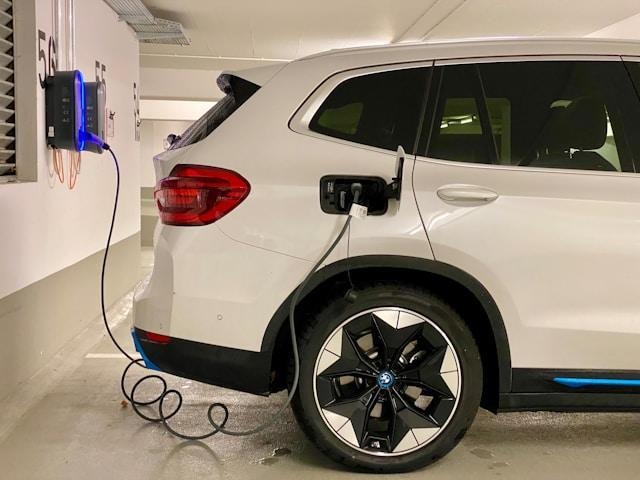
Electric motorcycles are a mainstream conversation now, not a fringe one. Early new motorcycle review data on EVs consistently identifies range anxiety and charging infrastructure access as the two biggest friction points in real-world ownership.
Total cost of ownership over five years often favors electric for committed urban commuters, but only if charging logistics actually fit your daily life.
The purchase price is just the opening chapter. Here's what the full story actually looks like.
A sportbike with an identical MSRP to a standard or cruiser can cost significantly more to insure. Get insurance quotes for your specific shortlisted models before you set foot in a dealership. Those numbers occasionally change, which bike wins outright.
A solid protective gear package, helmet, jacket, gloves, riding pants, and boots, realistically runs $600–$1,500 in 2026. Security hardware like disc locks, chain locks, and GPS trackers adds another layer worth budgeting from the start, not as an afterthought.
The service department achieved an 81% gross profit ratio in 2024, up 16% from 2023, driven by strategic staffing, specialized technicians, and operational efficiency. That figure matters to buyers because well-run service operations translate directly into faster turnaround times and more consistent warranty support when you need it.
Cross-reference professional tests with owner forums. Red flags surfacing in a new motorcycle review, persistent vibration, electrical gremlins, and poor warranty follow-through appear consistently across multiple independent sources when they're genuinely real problems. Isolated nitpicks are just that.
Weight safety, ergonomic fit, reliability, and dealer network access are above outright performance figures for most buying decisions. A strong service network with trained technicians matters especially when something goes wrong mid-riding season.
Popular, well-supported models hold their value better and attract broader buyer pools when it's eventually time to sell. Strong aftermarket support and an active brand community make the ownership experience significantly richer along the way.
Even well-researched buyers quietly surrender real savings in the finance office. Don't be one of them.
Low-APR manufacturer promotions can be genuinely strong deals, but only when the total interest cost is demonstrably lower than what you'd earn keeping that cash working elsewhere. Run the full math, not just the monthly payment.
VIN etching, overpriced paint protection, and dealer-installed alarms carry high margins and rarely deliver comparable value. A polite, calm "no thank you, I'd like to keep the deal focused on the bike" handles every single one of them cleanly.
Buying a new motorcycle in 2026 requires preparation. It consistently punishes impulse.
Matching your machine to your actual riding life, prioritizing proven safety technology, understanding the true cost of ownership, and vetting your dealer's service reputation, none of these are optional steps. They're exactly what separates a confident, well-informed purchase from an expensive lesson learned the hard way.
Take the test ride. Compare the quotes side by side. Gear up properly from day one. The right bike is absolutely out there waiting for you, and now you know precisely how to find it.
Bikes in the 300–500cc range from Honda, Kawasaki, or Yamaha offer proven reliability, manageable power, and ABS as standard or available equipment, genuinely strong starting points without overwhelming newer riders.
Plan for 20–30% above sticker price. Gear, insurance, registration, and first-service costs accumulate faster than most first-timers expect, particularly in states with elevated registration fees.
Leftover models typically carry the same warranty at a meaningful discount. Unless the new model year introduces a specific safety or reliability improvement you actually need, previous-year inventory frequently represents the smarter value.
 Supriyo Khan
 Supriyo Khan
 Supriyo Khan
 Supriyo Khan

Want to add a comment?