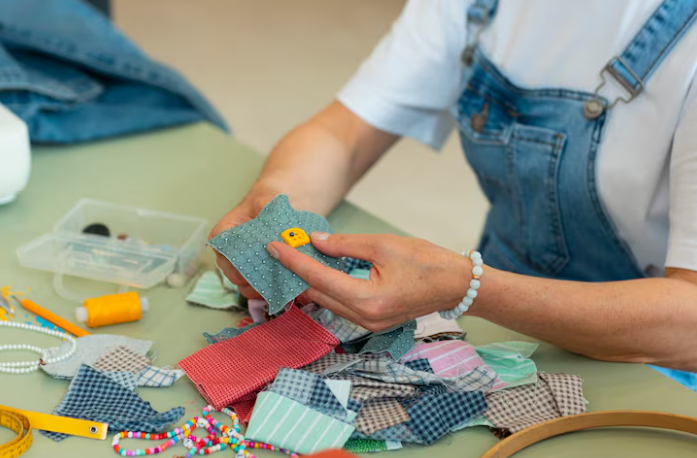
If you’ve ever worn clothing that feels light, airy, and slightly textured without clinging to your skin, chances are it was made from seersucker. Known for its distinct puckered surface and breathable nature, seersucker has remained a popular choice for warm-weather clothing and relaxed everyday wear.
If you’re exploring seersucker material, this guide will help you understand what it is, how it’s made, and why it continues to be relevant in modern wardrobes.
What Is Seersucker Material?
Seersucker is a type of woven fabric characterised by its crinkled or puckered texture. Unlike flat fabrics, seersucker has alternating smooth and raised stripes or patterns. This texture is not created after weaving but is built directly into the fabric during the weaving process.
Traditionally made from cotton, seersucker is now also available in blends. Its structure allows parts of the fabric to lift slightly away from the skin, which improves airflow and reduces the feeling of stickiness in humid conditions.
How Is Seersucker Fabric Made?
The unique texture of seersucker comes from a specialised weaving technique. During production, some threads are pulled tighter than others. This variation creates the signature puckered effect.
Because the texture is woven in rather than applied later, it remains intact even after multiple washes. This also means the fabric doesn’t require ironing to maintain its look, making it low maintenance and practical for daily use.
Key Characteristics of Seersucker Material
Seersucker stands out because of how it looks and feels. Here are some of its defining qualities:
Breathable structure
The raised texture allows air to circulate more freely, making it suitable for hot and humid climates.
Lightweight feel
Seersucker is generally light, which adds to its comfort, especially during summer.
Wrinkle-resistant appearance
Its natural crinkled look means it doesn’t show wrinkles easily, reducing the need for ironing.
Soft yet structured
While it feels comfortable against the skin, it still holds shape well, making it suitable for a variety of garments.
Why Seersucker Material Is Ideal for Summer
One of the main reasons seersucker remains popular is its ability to handle heat and humidity. The puckered surface prevents the fabric from sticking fully to the skin, allowing better airflow and quicker drying.
This makes it a practical option for regions with high temperatures, where comfort becomes just as important as style. Whether worn casually or as part of a more structured outfit, seersucker offers ease without compromising on appearance.
Common Uses of Seersucker Fabric
Seersucker is versatile and works across different types of clothing and applications:
Shirts and casual wear for everyday comfort
Dresses and co-ord sets for summer styling
Lightweight suits for semi-formal occasions
Kidswear due to its softness and breathability
Its adaptability makes it suitable for both minimal and statement designs.
Is Seersucker a Sustainable Fabric Choice?
When made from natural fibres like cotton, seersucker can be a more conscious option compared to heavily processed textiles. Its durability and low-maintenance nature also contribute to longer usage, reducing the need for frequent replacements.
If you’re exploring eco-conscious options, looking into sustainable fabric material alongside seersucker can give you a better understanding of fabrics that align with mindful consumption.
Seersucker vs Regular Cotton Fabric
While both seersucker and standard cotton are breathable, their structure sets them apart.
Regular cotton lies flat against the skin, which can sometimes feel heavy in humid conditions. Seersucker, on the other hand, creates small air pockets due to its puckered weave, improving ventilation.
In terms of maintenance, seersucker requires less effort since it doesn’t need ironing, whereas regular cotton often does.
How to Choose the Right Seersucker Material
When selecting seersucker fabric, consider the following:
Fabric composition: Pure cotton offers better breathability, while blends may add durability
Weight: Lighter fabrics work well for summer clothing
Pattern and colour: Stripes are classic, but modern variations include checks and abstract prints
End use: Choose softer variants for daily wear and slightly structured ones for formal outfits
Understanding these factors helps you pick fabric that suits both your comfort and styling needs.
Final Thoughts
Seersucker material continues to hold its place in modern textiles because of its practicality and comfort. Its distinctive texture is not just a visual feature but a functional one, designed to enhance airflow and ease of wear.
Whether you’re building a summer wardrobe or looking for fabrics that combine comfort with minimal maintenance, seersucker offers a reliable option. By understanding how it’s made and where it works best, you can make more informed choices that align with both style and usability.
 Supriyo Khan
 Supriyo Khan
 Supriyo Khan
 Supriyo Khan
Want to add a comment?