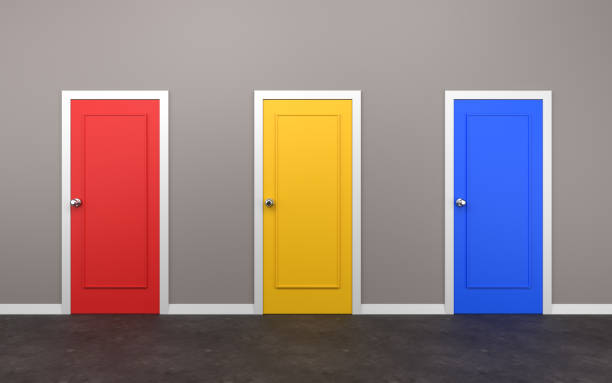
A positive day often begins the moment we step out of our homes — and ends the moment we return. While we rarely think about it, doors quietly shape our daily routines. They welcome us in, protect us from the outside world, and create the first and last impression of our personal space.
At SmileToTalk.com, well-being and everyday positivity are at the heart of every story. And surprisingly, something as practical as understanding the unterschied haustür nebeneingangstür (the difference between a main entrance door and a side entrance door) can make a meaningful difference when planning a home that supports comfort, balance, and peace of mind.
Many homeowners focus on interior design, furniture, and lighting — but the structure of a home plays an equally important role in shaping daily experiences.
The main entrance door (Haustür) typically:
Serves as the primary access point
Creates the strongest visual statement
Offers high levels of insulation and security
Reflects the homeowner’s style
A side entrance door (Nebeneingangstür), on the other hand:
Often connects garages, gardens, or utility rooms
Is used more frequently for practical access
Prioritizes functionality and durability
Still requires strong insulation and security
Understanding these distinctions helps homeowners make informed decisions that enhance both comfort and functionality.
Feeling safe is fundamental to happiness. A high-quality main entrance door provides advanced locking systems and reinforced construction. However, side doors deserve equal attention.
Secondary entrances can sometimes be overlooked, but upgrading them ensures:
Consistent security throughout the property
Reduced vulnerability
Greater peace of mind
When every access point is secure, daily stress decreases — and relaxation becomes easier.
Energy efficiency is not only about saving money; it’s about creating a stable and cozy indoor environment. Poorly insulated doors allow drafts, temperature fluctuations, and external noise to enter the home.
Both main and side doors should offer:
Strong thermal insulation
Effective sealing systems
Sound reduction properties
Durable weather resistance
When the indoor climate remains stable, it positively affects mood, focus, and overall well-being.
Modern lifestyles are dynamic. Families move between work, school, hobbies, and social activities. A well-designed home supports this flow seamlessly.
A thoughtfully chosen door layout:
Simplifies movement between spaces
Enhances functionality
Improves convenience
Creates a sense of order
For example, using a side entrance for garden access or utility areas keeps the main entrance tidy and welcoming.
Visual harmony contributes to emotional balance. When doors match the architectural style and color scheme of a home, the overall atmosphere feels cohesive.
Customization options such as:
Color choices
Handle designs
Glass inserts
Material finishes
allow homeowners to create a consistent design language throughout the property.
Even secondary doors can complement the overall aesthetic, ensuring no detail feels overlooked.
Upgrading entrance doors is not only a practical improvement but also a long-term investment. Energy-efficient, secure doors enhance property value and reduce maintenance costs.
More importantly, they improve daily life in subtle ways:
Fewer drafts on cold days
Reduced outside noise
Easier access between indoor and outdoor spaces
Greater sense of safety
Small structural improvements often create the biggest emotional impact.
What is the main difference between a front door and a side entrance door?
The front door serves as the primary and most visible entrance, while a side entrance door is often used for practical access to secondary areas.
Do side entrance doors need the same level of security?
Yes. All access points should provide strong security features.
Can upgrading doors improve energy efficiency?
Absolutely. Modern insulated doors reduce heat loss and drafts.
 Supriyo Khan
 Supriyo Khan
 Supriyo Khan
 Supriyo Khan

Want to add a comment?