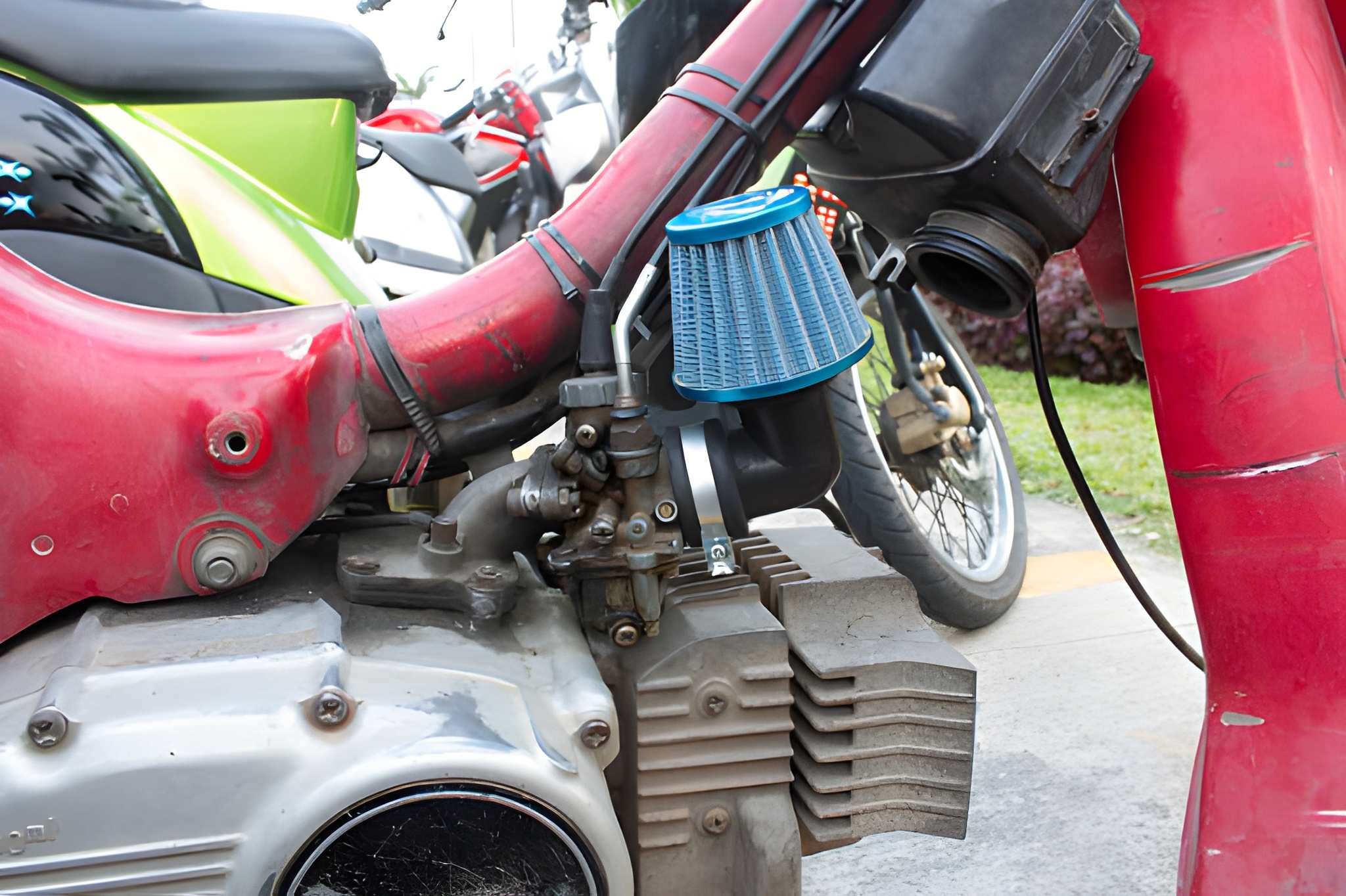
When an engine feels sharp and responsive, it is usually the result of proper upkeep rather than luck. The kind done regularly, without much fuss. One part that slips down the priority list is the air filter, even though it controls what the engine breathes every time the throttle opens.
Clean air supports smoother combustion, steadier fuel use, and a bike that reacts the way it should. Riders looking to buy quality bike air filters in NZ often weigh brands and pricing, but long-term performance is shaped far more by how that filter is cared for between services.
The air filter acts as the gatekeeper between the outside world and the engine’s most sensitive parts. When the filter is clean, the air-to-fuel mix stays balanced, combustion remains stable, and power delivery feels consistent. When it is dirty, that balance slips. The engine works harder, fuel consumption creeps up, and response dulls.
Fine dust and grit can also find their way past neglected material, accelerating internal wear. These changes rarely happen overnight, which is why riders sometimes miss the connection until performance drops noticeably.
Consistency beats intensity when it comes to filter care. How often cleaning is needed depends on where and how the bike is used. Regular road riding allows for longer intervals, while dusty tracks shorten them quickly.
A quick inspection during routine servicing goes a long way. Foam filters should be cleaned with purpose-made solutions rather than household cleaners, then left to dry fully. Re oiling matters just as much, as the oil traps fine particles that would otherwise pass straight through.
Cleaning should always be paired with inspection. With time, filter material breaks down, particularly when exposed to moisture or heavy dust. Look for tears, thinning areas, or foam that no longer springs back into shape. Sealing edges should also be done regularly.
A filter that does not seat properly can allow unfiltered air to bypass it completely. Catching these issues early is far cheaper than dealing with engine damage that could have been prevented.
When replacement becomes necessary, quality should lead the decision. Different designs suit different riding styles, and the cheapest option rarely offers the best balance. Some filters prioritise airflow, others focus on maximum particle capture.
Knowing that trade-off helps set realistic expectations. Always match the filter to the manufacturer’s specifications, as incorrect fitment can undermine performance. Reusable options reward regular maintenance, while disposable types trade longevity for convenience.
Small mistakes can cancel out good intentions. Over oiling a foam filter restricts airflow and can contaminate the intake, while too little oil leaves gaps in protection. Drying methods used also affect filter performance.
Compressed air and heat sources can damage filter material, shortening its life. The airbox should never be ignored either. Dirt left behind can be drawn straight into the engine, even after a fresh filter is installed.
Where and how a bike is stored affects how quickly a filter degrades. Damp environments encourage breakdown, while long periods of inactivity allow dust to settle inside the intake. Covering the bike and sealing openings during storage helps limit contamination. Riding conditions matter just as much.
Short trips, stop-start traffic, and repeated cold starts place extra demand on clean airflow, making regular checks even more valuable. Those small considerations extend service intervals and reduce the likelihood of performance issues.
Attention to the air filter does not demand specialist tools or deep mechanical knowledge. It relies on routine checks, thoughtful cleaning, and replacing parts before they fail. These habits support steady power delivery, predictable fuel use, and a longer engine life. Riders who treat filter care as part of normal maintenance often notice fewer surprises and smoother rides.
 Supriyo Khan
 Supriyo Khan
 Supriyo Khan
 Supriyo Khan

Want to add a comment?