Getting a novated lease is a simple, step-by-step process ideal for first-timers wanting a new car.
The arrangement involves you, your employer, and a lease provider to simplify car financing.
You make lease payments from your pre-tax salary, which can significantly lower your taxable income.
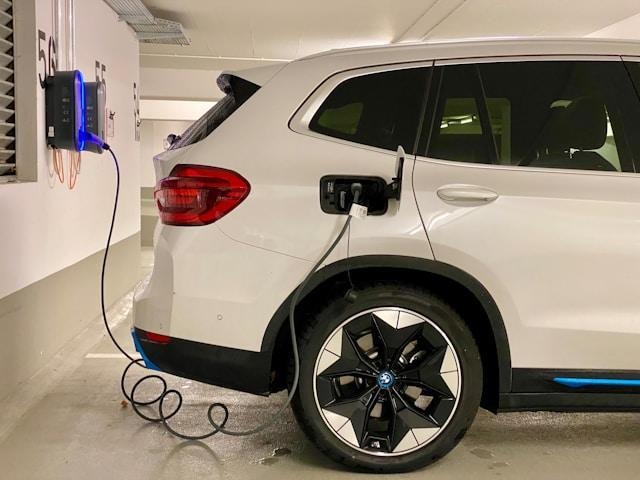
Major tax benefits include savings on GST and potentially avoiding Fringe Benefits Tax (FBT) on eligible electric vehicles.
A novated lease bundles your car's purchase price and running costs into one easy payment.
At the end of your lease, you can choose to pay the residual value and own the car, refinance it, or upgrade.
Thinking about leasing a car for the first time? This guide simplifies the process of getting your first novated lease—a financing option that combines your car and running costs into one payment. With support from your employer and a lease provider, you can drive a new car and save on taxes. Here’s how it works.
A novated lease is a three-way agreement between you, your employer, and a finance provider. It lets you pay for your car and running costs from your pre-tax salary, reducing your taxable income and saving you money. When you get a car lease, lease payments are fixed, so costs stay predictable.
At the end of the lease, you can pay off the residual to own the car, refinance to keep leasing, or trade it in for a new model. This makes novated leasing a simple way to manage vehicle expenses and fringe benefits tax, offering valuable employee benefits without the hassle of traditional loans.
A novated lease offers several financial benefits over buying a car outright. You avoid paying GST on new cars, saving money upfront. All running costs—fuel, insurance, servicing—are bundled into regular payments for easier budgeting and no surprise bills. Payments come from your pre-tax salary, lowering taxable income and boosting tax savings.
This salary sacrifice arrangement lets employees use pre-tax dollars instead of post-tax income, maximizing savings. It applies to new and used cars, providing flexibility. Bundling expenses simplifies finances and often costs less than traditional financing.
Leasing your first car is straightforward. Start by researching cars and lease terms, then compare offers, gather documents, and apply. The process is designed to get you on the road quickly.
The next sections will guide you through each step—from choosing a vehicle to preparing your paperwork for approval.
Start by choosing a vehicle that suits your lifestyle—whether it's a family SUV, work ute, or electric car. Make sure the price fits your budget. Decide on a lease term (usually one to five years): shorter terms mean higher payments but faster payoff; longer terms lower monthly costs.
Key factors to consider:
Car Price: Stay within your budget.
Running Costs: Factor in fuel, insurance, and maintenance.
Residual Value: Know what you'll pay if you buy the car at lease end.
Use a novated lease calculator online to compare vehicles and lease terms, so you can see how each option affects your payments and savings.
Once you’ve chosen a car, compare offers from different lease providers. Don’t focus only on the interest rate—review all fees, payment structure, and terms of service. A reputable provider will clearly outline all costs and offer flexible options.
When considering novated leasing providers, ask about their support process and how they manage communication with your employer. Good service and clear communication matter as much as price. Always read the fine print and make sure you understand every detail before signing.
Here’s a simple comparison table:
Before starting your lease application, organize your information to streamline the process. Know the finance provider’s eligibility requirements and gather all necessary documents in advance. Being prepared demonstrates responsibility and can speed up approval.
Create a checklist of required items—most are standard for car financing and easy to find. The next sections outline specific documents needed and what lenders expect.
To get your lease approved, the finance company must verify your identity and finances. Having these key documents ready prevents delays and unexpected costs, confirming you can manage the payments.
You'll typically need:
Proof of Identity: Driver’s license or passport
Proof of Income: Recent pay slips or employer letter
Proof of Residence: Utility bill or bank statement with your address
Your ID confirms who you are, your income shows your ability to pay, and your address verifies your location. Providing these documents upfront helps speed up approval, often within hours.
A credit check is a standard part of applying for car finance. Lenders review your credit history to assess reliability; a strong history improves approval chances and may secure better rates. If your credit isn't perfect, lenders also consider your overall financial situation.
For a novated lease, eligibility depends on more than your credit score. Providers assess income, job stability, and existing financial commitments to ensure you can afford payments. There’s no strict salary requirement—what matters is that repayments fit your budget.
Applicants with regular salaries are ideal due to stable income, making repayment capacity easier to evaluate. If your finances show you can manage the commitment, approval is likely.
One of the main benefits of a novated lease is financial: simplified payments and significant tax savings. Since payments come from your pre-tax salary, you save on income tax. You also pay for running costs like fuel and servicing with pre-tax dollars, increasing your savings.
The next sections explain how payment structures work and detail real tax advantages, including savings on Fringe Benefits Tax (FBT) and avoiding Luxury Car Tax on eligible vehicles.
For first-timers, lease payments are simple. Instead of paying from your post-tax salary, your employer deducts the payment before taxes, covering both the car and running costs in one payment.
Key benefits:
Simplicity: One fixed payment covers all car expenses.
Budgeting: Consistent payments make expenses predictable.
Savings: Paying with pre-tax dollars lowers your overall cost.
At the end of the lease, a final “residual” payment lets you buy the car if you choose.
A novated lease offers significant tax savings, mainly through salary packaging. Lease payments are made from your pre-tax salary, lowering your taxable income and reducing your annual tax bill. You also avoid paying GST on the car’s purchase price and running costs. If you choose an eligible electric vehicle under the luxury car tax threshold, you may be exempt from Fringe Benefits Tax (FBT), saving even more.
Together, these benefits make a novated lease one of the most cost-effective ways to finance a car by cutting both upfront and ongoing costs.
Leasing your first car can seem daunting, but it doesn’t have to be. By following this guide—from understanding leases to preparing your application and weighing costs—you can approach the process with confidence. Researching options and comparing offers is essential to finding a lease that suits your needs and budget. Leasing offers flexibility and financial benefits, along with the joy of driving a new car. Have questions or need help? Contact us today for a free consultation!
 Supriyo Khan
 Supriyo Khan
 Supriyo Khan
 Supriyo Khan

Want to add a comment?