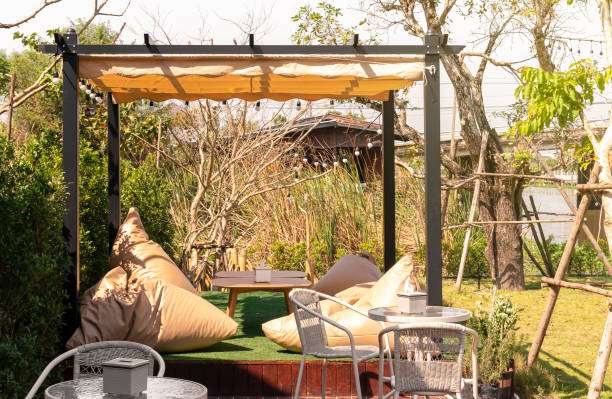
Outdoor spaces serve as vital gathering hubs for our communities. Parks, playgrounds, and plazas provide essential areas to relax, socialize, and stay active says Archstone Properties, a property management Yukon OK company. However, without adequate shade, these spaces often become uncomfortable or unsafe during the summer. Well-designed shade solutions are crucial for maintaining usability and comfort. By lowering temperatures and providing relief from the sun, shade makes outdoor environments more inviting throughout the day. This encourages longer visits, supports healthier habits, and ensures shared spaces remain accessible to everyone.
Reducing Heat and Sun Exposure
One of the most immediate benefits of shade is protection from direct sunlight. Prolonged sun exposure can lead to discomfort, dehydration, and fatigue, especially for children and older adults. Shade structures lower surface and air temperatures in key areas like seating zones, walkways, and playgrounds. This creates a cooler, more enjoyable environment, reducing the physical strain that heat places on the body, even when temperatures are moderate.
When outdoor spaces lack shade, people tend to visit only during early morning or evening hours, avoiding the midday heat. Even a well-designed park can feel uninviting without relief from the sun. Shade increases the usability of these spaces by making them more comfortable throughout the day. Families stay longer, children can play safely, and community events can occur without the worry of excessive heat. Comfort fosters consistency—when people know a park offers shaded areas, they’re more likely to return and make it part of their routine.
Shade benefits everyone. Children need protection while playing, adults value shaded seating, and seniors often require cooler areas to rest safely. By providing a balance between sun and shade, outdoor environments become more inclusive. This flexibility allows users to move according to their comfort levels, ensuring outdoor spaces are welcoming to all. A focus on comfort-driven design prevents environmental conditions from unintentionally excluding specific groups.
Shade is essential for safety in playgrounds and recreational areas. Sunlit equipment can become dangerously hot, causing burns or discomfort. Shade structures keep surfaces cooler and reduce glare, making play areas safer and more enjoyable. They also give parents and caregivers peace of mind, knowing children are protected from heat risks. Cooler, shaded environments help prevent fatigue, allowing kids to stay active and engaged for longer.
Beyond comfort, shade elevates the aesthetics of outdoor spaces. Thoughtfully designed structures add balance and visual interest to parks and plazas, complementing the landscape rather than cluttering it. This intentional approach makes public areas feel more cohesive and inviting, fostering community pride and encouraging higher usage. Ultimately, well-integrated shade enhances both the function and the beauty of shared environments.
Sun exposure doesn’t just harm people—it also damages outdoor furniture, pathways, and surfaces. Prolonged exposure to heat and UV rays can cause fading, cracking, and deterioration over time. Adding shade protects these elements by reducing direct sunlight, extending their lifespan and cutting maintenance costs. By preserving materials, outdoor spaces stay safe, functional, and visually appealing for longer.
Effective shade solutions are tailored to local conditions, considering sun angles, seasonal changes, and usage patterns. Communities investing in park shade in Utah benefit from designs that align with how people use outdoor spaces year-round. Shade should be positioned to support peak activity times while ensuring clear sightlines and proper airflow. Designing shade to meet local needs enhances comfort without compromising functionality.
Inviting outdoor spaces naturally draws people in. When parks and public areas are shaded and comfortable, they become hubs for connection, activity, and events. By making gatherings more enjoyable, shade fosters community engagement. Whether for a casual family outing or a planned event, comfort is a key driver of participation. Spaces that prioritize these features encourage stronger social ties and healthier lifestyles.
Shade is a vital element in creating comfortable and usable outdoor spaces. It reduces heat, protects users from the sun, extends playtime, and enhances overall enjoyment. By thoughtfully designing shade, communities can ensure their outdoor environments are used to their full potential. When comfort is prioritized, people are encouraged to spend more time outdoors, fostering deeper connections and allowing them to enjoy shared spaces as intended.
 Supriyo Khan
 Supriyo Khan
 Supriyo Khan
 Supriyo Khan

Want to add a comment?