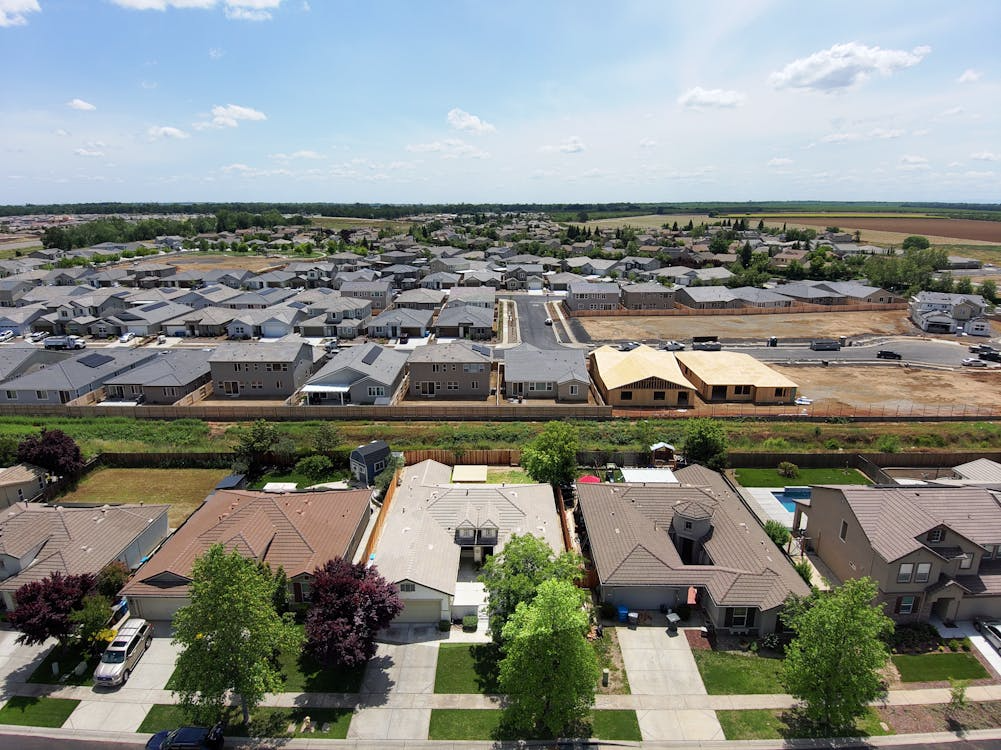
Did you know there's something silently driving down property values in neighborhoods everywhere?
It's not…
Home prices. Mortgage rates. Even the local economy.
It's aging infrastructure.
One of the least obvious factors influencing your home value is the literal pipes and infrastructure beneath your feet. Here's the problem…
Most homeowners don't think twice about their home's plumbing infrastructure until something breaks.
But when it does…
Oh boy. Let's just say, pipe problems are messy and expensive.
How Aging Infrastructure Impacts Property Values
Why Whole House Repiping Your Home Is So Important
Everything You Need to Know About Pipes in Your Home's Walls
What Homeowners With Outdated Pipe Systems Should Be Doing
Buyers are attracted to neighborhoods for many reasons. They want schools, parks, community activities, safe neighborhoods, and nice homes.
But one of the first things they don't see? Local infrastructure.
Those underground pipes that supply water to your home and neighborhood. Or the sewer lines running under the streets.
These are things homeowners think about when there's a break. But until then, it rarely crosses their minds.
Yet neighborhoods with outdated infrastructure like old water mains, sewer lines, and home pipes appreciate much slower than neighborhoods where things "just work."
Think about it…
Would you rather buy a home in a neighborhood with:
Frequent water main breaks
Boil water advisories
Patched up sidewalks from previous pipe breaks
Limited or decreasing water pressure
Or a place where the pipes are rarely talked about because they just WORK?
Places with outdated or failing infrastructure have…
Higher risks for water advisories
Costs for future replacements
Frustrations from ruptures and watermain breaks
Nationwide, our drinking water infrastructure got a C- grade. That's the score from the American Society of Civil Engineers's 2025 Report Card for U.S. Infrastructure.
When it comes to the pipes inside our homes, whole house repiping is a common conversation happening with homeowners. Most homes built before the 1970s have at least some galvanized steel pipes. Many newer homes built in the 90s have hidden Polybutylene pipes. Both types of pipes are far past their life expectancy and need to be replaced.
By updating your home's infrastructure now, you can rest easy knowing your greatest asset isn't about to burst at the seams.
Remember, property values are determined by what buyers think your home is worth. And if your neighborhood has failing infrastructure, buyers will notice. And drive down property values when they walk away.
Nobody likes home disasters like burst pipes and water damage. But did you know they can also reduce your home's value?
If pipes freeze and burst or you start to have slow draining issues, you know it's going to cost you.
But here are some other hidden ways that old pipes can hurt how much your home is worth.
First, failed pipes lead to…
Water damage on your walls, floors, and foundations
Mold from water accumulating in hidden areas
Decreased water pressure due to buildup in the pipes
Smelly or dirty water from corroded pipes
Higher insurance costs
Second, old pipes are just bad news for buyers. They know when a home has outdated infrastructure. And it makes your home much less attractive to sell.
Recent studies show that in the United States and Canada, we experience approximately 260,000 water main breaks each year. But while most of these breaks happen to municipal water mains, your home could be lying about how old its pipes are too.
When homes have failing pipes, many opt to do whole home repiping. Instead of tearing open walls throughout your house, professional plumbers can utilize modern trenchless piping methods. This saves you time and money. Learn more about Bay area trenchless sewer repair to see how it works.
Replacing your old pipes protects you from:
Low water pressure
Unexpected pipe bursts
Higher water costs
Dirty or contaminated water
Poor home appraisal values
Plus, whole house repiping is one of the best home investments you can make. If you live in an older neighborhood with older homes, your pipes were probably installed around the same time the house was built. And we've already covered how old those pipes can be.
A lot of homeowners follow the mentality of "if it ain't broke, don't fix it." Especially if they haven't had any problems with their pipes in the past.
However,
Plumbing doesn't break overnight. Corrosion and wear occur gradually. So by the time you notice you have a problem, it's probably been happening for years.
And it starts costing you money.
Here are some of the expensive ways old pipes can wreak havoc on your home.
Emergency repairs. Burst pipes can release thousands of gallons of water into your home overnight. Water damage is not only expensive, but it's a massive headache.
Increased monthly water bills. You may start to notice higher water bills if your pipes are leaking. And even small leaks can add up over time.
Insurance may not cover your damages. A lot of insurance companies check the age of your pipes when you file a water damage claim. If they deem your pipes are older than they should be, they'll drop you like a hot potato.
Your home may not even appraise. Once a home inspector detects old pipes during an appraisal, they will often cut you off at the knee by reporting these issues. Once an appraisal fails, it's almost impossible to sell your home.
If you have older pipes and you live in an older neighborhood, it's likely your neighbors have old pipes too. And that starts to impact your neighborhood's property values.
Again, the ASCE projects a $3.7 trillion gap to fix our nation's infrastructure problems. That's trillions of dollars… with a T.
If the country as a whole has this issue, your neighborhood probably does too.
The homeowners who are protecting their home values from dips in the market are taking matters into their own hands.
Here's what the savvy homeowners are doing.
Getting their pipes inspected. Pipe inspections with a camera can inform you about your pipe's condition before you have to rip them out to fix an issue.
Whole house repiping. There's no reason to wait until your pipes burst before you replace them. Update your home's plumbing and avoid the problem altogether.
Repairing sewer lines. Trenchless sewer repairs are one of the best innovations for homeowners. Lines are repaired or replaced without destroying your property.
Keep records of all your updates. During your home sale, your inspector and appraiser will thank you for having documentation of the repairs and upgrades you've made.
Infrastructure can impact home values at every level, from your municipality to the pipes inside your walls. As a homeowner, you can protect your biggest investment by staying on top of your home's plumbing system. By staying one step ahead of your neighbors, you can keep your home values higher than the competition.
One of the largest influences of your home value is your neighbor's homes.
If your neighborhood has outdated infrastructure, it could cause potential buyers to drive down your property values.
And while you can't control what your neighbors decide to do about their homes, you can control yours.
Investing in your home's infrastructure helps you sleep at night knowing you won't wake up to a plumbing disaster. And protecting your home from costly repairs can increase its value down the road.
Here's a quick recap:
Aging neighborhood infrastructure can drive down home values
Outdated pipes inside your home create hidden costs
Whole house repiping eliminates future headaches and adds value
Investing in your home's infrastructure pays off while neglecting won't
Infrastructure needs don't stop at city limits
Don't wait for a pipe to burst to take care of your plumbing. Stay one step ahead of the game and protect your biggest investment.
 Supriyo Khan
 Supriyo Khan
 Supriyo Khan
 Supriyo Khan

Want to add a comment?