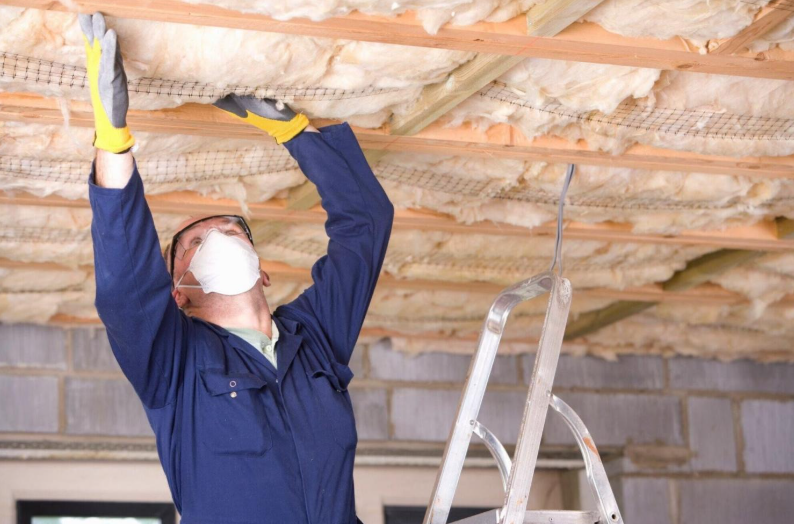
Can a home feel too hot in summer and too cold in winter, even when the heater or air conditioner is on? Home insulation helps slow heat as it moves through the roof, walls, and floors. This can help rooms stay more comfortable and may help your heating and cooling system use less energy.
In this guide, you will learn how insulation works, where it is most needed, and which types are common in homes. You will also learn how air sealing helps and what signs may show poor insulation, giving you simple tips to improve comfort, control heat, and save energy.
Heat moves from warm places to cool places. In summer, heat can move from outside into your home through the roof, walls, and floors. In winter, heat can move out of your home through these same areas.
Insulation slows the movement of heat. It adds a layer that makes it harder for heat to pass through your home. This helps your heating and cooling system keep rooms closer to the temperature you want.
Good insulation can also help rooms feel more even. Without enough insulation, some rooms may become too hot or too cold. When less heat moves in or out, your system may not need to run as often.
Rooms near the attic, roof, outside walls, or crawl space can become hard to keep comfortable. You may find that one room feels much hotter or colder than another room. This can happen even when both rooms have the same thermostat setting.
Insulation can help slow these changes. It can also make walls and ceilings feel less cold or hot. This may help your home feel more comfortable during both hot and cold weather.
A home with better insulation may also need fewer thermostat changes. You may not need to keep turning the heat or air conditioner up and down. A more steady indoor temperature can make daily life more comfortable.
The attic is one of the main places to check for insulation. Heat can move through the ceiling into the attic during winter, while hot attic air can affect rooms below during summer. Good attic insulation can help slow this heat flow.
Outside walls also play a key role in home comfort. Heat can move through walls that have little or no insulation. Floors above garages, crawl spaces, or other cold areas can also lose heat during cool weather.
Air leaks should also be checked during an insulation project. Gaps around doors, windows, pipes, and other openings can let outside air enter the home. Insulation alone cannot stop all heat loss when these gaps remain open.
Fiberglass is one of the most common types of home insulation. It is made from small glass fibers and often comes in rolls, batts, or loose fill. It can help slow heat flow when it is installed well and has no large gaps.
Cellulose is another common choice. It is made mostly from recycled paper and is often blown into attics and walls. It can fill small spaces and help create an even layer of insulation.
Spray foam works in a different way. It expands after it is sprayed and can help slow heat flow while sealing some air gaps. Each type has different uses, costs, and installation needs, so the right choice depends on the area being treated.
The amount of insulation matters, but so does the way it is installed. The type of material, its thickness, and its condition can all affect how well it slows heat flow. Gaps and thin spots can reduce the value of an insulation layer.
Insulation is often rated by its R-value. This number shows how well the material resists heat flow. A higher R-value means the material offers more resistance to heat movement.
The right R-value depends on the part of the home and the local weather. Adding more insulation can help if an area has too little, but more is not always the only answer. Moisture, airflow, and the condition of the building should also be checked.
Insulation and air sealing work together, but they are not the same thing. Insulation slows heat moving through walls, ceilings, and floors. Air sealing helps stop air from moving through cracks and open gaps.
A home can have thick insulation and still lose heated or cooled air. Small gaps around pipes, wires, doors, windows, and attic openings can allow outside air to enter. Sealing these gaps can help insulation work better.
Some areas need special care during air sealing. Heat sources, electrical wires, lights, and vents may have safety rules that must be followed. These areas should be checked before materials are added or openings are sealed.
Heating and cooling can use a large amount of energy in a home. When less heat enters during summer or leaves during winter, your system may not need to work as hard. This can help lower energy use.
The amount you save will vary from home to home. Home size, weather, insulation levels, equipment, thermostat settings, and daily habits all affect energy use. Because of this, insulation should not be seen as a promise of a set amount of savings.
Insulation works best with other energy saving steps. Air sealing, good windows, proper equipment, and smart thermostat settings can also help. Together, these steps can help your home use less energy while staying comfortable.
High energy bills can be a sign of poor insulation, but they can have other causes too. Old heating or cooling equipment, air leaks, poor ducts, and very hot or cold weather can also raise energy use. Still, uneven room temperatures can be a reason to check your insulation.
Hot rooms upstairs may point to an attic problem. Cold ceilings, floors, or walls may also show that heat is moving through parts of the home too easily.
You may also see thin or uneven insulation in an attic. Some areas may have little or no insulation at all. A professional can check the current insulation and look for gaps, moisture, and other problems before suggesting more work.
Check the area before adding new insulation. Look for roof leaks, water damage, mold, or other problems that could affect the work. Wet insulation may not work well and may hide a larger moisture problem.
Fixing a water problem should come before adding insulation. Covering wet or damaged areas will not solve the cause of the problem.
Safety also matters during insulation work. Some materials can bother the skin, eyes, or lungs, so the right safety gear may be needed. Attics and crawl spaces can also have tight areas, exposed wires, hot parts, or weak surfaces, so some work is best left to a trained professional.
The best insulation depends on where it will be used. Attics may use loose fill or batts, while walls may use batts, blown insulation, or foam. The home design, local weather, space, and moisture risk should all be considered.
Cost is also important, but the cheapest option may not always be the best choice. Poor installation can reduce the value of even good insulation.
It is also helpful to think about long-term needs. Good insulation should fit the home and work well with its other systems. Choosing the right material and installing it correctly can help the work provide value for many years.
Insulation may look simple, but small mistakes can lower its value. Gaps, thin spots, crushed material, and blocked vents can affect how well it works.
If you live in the Chattanooga area, local weather and home styles may affect your insulation needs. Homeowners looking for energy efficient insulation in Chattanooga can learn about local insulation services that may help improve home comfort and energy use. A local professional can also check where insulation and air sealing may work best together.
Professional help can be useful when an area is hard to reach or has safety concerns. It can also help when you are not sure how much insulation your home needs. A proper check can help prevent wasted materials and help the work meet the needs of the home.
Insulation can work for many years, but other home problems can affect it. Roof leaks, plumbing leaks, pests, and repair work can damage or move insulation.
Changes in weather can also show weak areas. Hot summer days may make attic problems easier to notice. Cold winter days may show which ceilings, walls, or floors lose heat too quickly.
Attic insulation should also allow proper airflow where the attic design needs it. Vents should not be blocked, and heat-producing equipment needs the right space around it. If insulation has been moved or damaged, a professional can help decide what needs to be fixed.
Insulation is one part of the home shell. This shell includes the roof, walls, windows, doors, and floors that separate the inside from the outdoors. These parts work together to control heat and air movement.
Improving one part can help, but other weak areas may still cause problems. For example, new insulation may have less effect if large air leaks remain.
Timing can also matter. Roof repairs, wall work, remodeling, and heating or cooling upgrades may give you a chance to check areas that are hard to reach. Doing related work at the same time may reduce the need for repeat work later.
Better insulation can help rooms stay closer to the same temperature. It may reduce hot and cold spots and help your heating and cooling system work less. The change may be easiest to notice in rooms that were hard to keep comfortable before.
Energy use may also go down, but the results will vary. Weather, home size, equipment, thermostat settings, and daily habits all affect energy bills.
The main goal is better control of indoor temperature. A home that gains less heat in summer and loses less heat in winter can be easier to keep comfortable. This can also help your heating and cooling system meet the home's needs with less work.
A good insulation plan starts with checking the home. Look at the attic, outside walls, floors, air leaks, moisture, and vents before choosing a solution. This can help you find the areas that need the most attention.
It also helps to decide what you want the work to achieve. You may want more even room temperatures, lower energy use, or better comfort. Knowing your goal can help you choose the right areas to improve.
An inspection can help guide the next step. It may show where insulation is thin, missing, damaged, or poorly placed. It can also show where air leaks or moisture problems should be fixed before insulation is added.
Good insulation can make a home easier to heat and cool. It slows heat movement and can help reduce large changes in indoor temperature. It may also help your home use energy more wisely.
Insulation works best when it is installed correctly. Air sealing and ventilation can also help improve the results. Together, these steps can make the home shell stronger and more effective.
The right plan depends on the home, local weather, current insulation, and building condition. Checking these details before work begins can help avoid wasted time and money. With good planning and proper installation, insulation can support comfort for years.
Home insulation can help keep rooms at a steady temperature by slowing heat flow. It can also help heating and cooling systems work less, which may lower energy use. Before adding insulation, check for air leaks, moisture, and poor airflow.
A home check can show which areas need the most work. Choosing the right material and using proper installation can improve comfort and help control energy use. Even small changes can help when they fit your home's needs.
With a good plan, home insulation can help protect against heat loss in winter and heat gain in summer.
Did this guide help you? Browse the rest of this section for more advice on a variety of topics.
 Supriyo Khan
 Supriyo Khan
 Supriyo Khan
 Supriyo Khan

Want to add a comment?