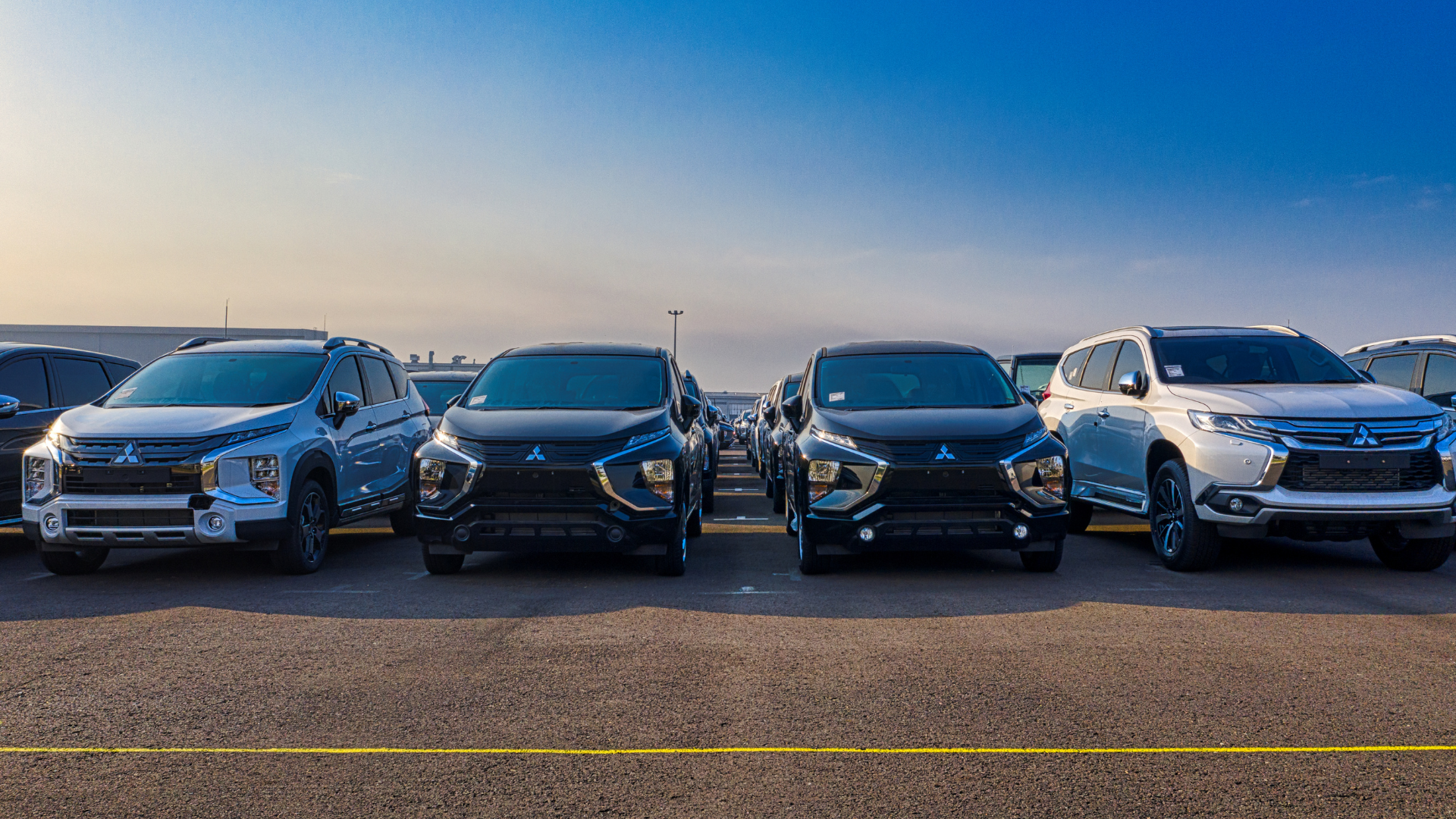
Finding the right car for daily use does not have to be hard or expensive. Many drivers today are looking for ways to save money while still getting a vehicle that is safe, reliable, and easy to maintain. The good news is that there are plenty of affordable options available for everyday needs, whether it is for work, school runs, or weekend trips. You do not need to spend a fortune to enjoy comfort and good performance on the road.
In this blog, we will explore different budget-friendly vehicle choices that offer great value without cutting corners. We will also look at what makes a car truly worth the price and how to choose one that fits your lifestyle. Let’s dive in and find the right match for you.
A low sticker price doesn't automatically mean a cheap vehicle to own. Fuel, insurance, routine maintenance, and depreciation all compound quietly in the background. Try this: add your annual fuel, insurance, maintenance, and loan payment together, then divide by miles driven. That number tells you what a vehicle actually costs per mile, and the difference between models is often eye-opening.
Worth noting: the IRS set its 2025 business mileage rate at 70 cents per mile, up from the 2024 figure, a clear signal that operating costs are genuinely climbing. Even if you're not tracking mileage for tax purposes, that benchmark tells you something useful about what cars really cost on the road.
Before you walk onto any lot, get brutally honest about how you use a vehicle. A 45-mile highway commute demands something entirely different from a car that spends its life crawling through city traffic twice a day.
Texas drivers along the Hill Country corridor, the stretch running between San Antonio and Boerne, deal with long hauls, scorching summers, and the occasional rough back road. It's a combination that rewards practical choices over flashy specs. Buyers researching used cars boerne tx often find that commute length, parking reality, fuel economy, and passenger needs outweigh any upgrade package the dealer tries to upsell.
Write two quick lists before you shop: firm "must-haves" like air conditioning, Apple CarPlay or Android Auto, and adequate cargo room, then "nice-to-haves" like ventilated seats or a panoramic roof. That five-minute exercise alone saves hours of distraction on the lot.
Here's something that surprises a lot of budget shoppers: safety technology has dramatically improved even in affordable, late-model used vehicles. AAA's October 2024 research found that 2024-model vehicles equipped with automatic emergency braking avoided 100% of forward collisions at speeds up to 35 mph, compared to only 51% for 2017–2018 models. That gap is enormous when you're sitting in stop-and-go traffic every single morning.
When shopping is used, specifically look for automatic emergency braking, blind-spot monitoring, and lane-keep assist. These features appear regularly in late-model inventory without pushing you into luxury price territory.
At this range, expect vehicles from roughly 2012 to 2017 carrying between 100,000 and 140,000 miles. Toyota, Honda, and Hyundai compact sedans from this era consistently overdeliver at these prices. For first-time buyers or college students, low insurance costs and straightforward mechanical simplicity genuinely reduce financial stress month to month.
This is where most shoppers find the best balance between safety technology, remaining useful life, and manageable purchase price. Target 2018–2022 models with under 80,000 miles. Certified pre-owned inventory sometimes falls into this range, offering inspection-backed confidence without crossing into new-car payment territory.
Affordable new vehicles do exist near the $25,000 mark, base-trim compact sedans, small hatchbacks, and entry-level crossovers among them. New makes particular sense when manufacturer financing offers are aggressive, warranty coverage is a priority, or local used inventory is genuinely thin. Always verify the "starting MSRP" against actual dealer pricing before getting too attached to a number you saw online.
Small sedans remain the foundation of affordable daily driving, with lower insurance, strong fuel economy, easy parking, and minimal maintenance costs. The Honda Civic, Toyota Corolla, Hyundai Elantra, and Kia Forte all deliver proven reliability and excellent MPG. They work equally well for solo commuters and rideshare drivers.
Hatchbacks frequently outperform comparably priced SUVs when it comes to cargo flexibility and city maneuverability. Fold-flat rear seats, taller rooflines, and often lower purchase prices give hatchbacks real practical value, especially if hauling gear, a stroller, or groceries is part of your weekly routine.
Models like the Kia Soul, Nissan Kicks, and Chevy Trax blend elevated seating and useful cargo room into accessible pricing. The fuel and purchase cost premium over sedans is modest, and for families managing car seats, school pickups, and weekend activities, the trade-off is typically well worth it.
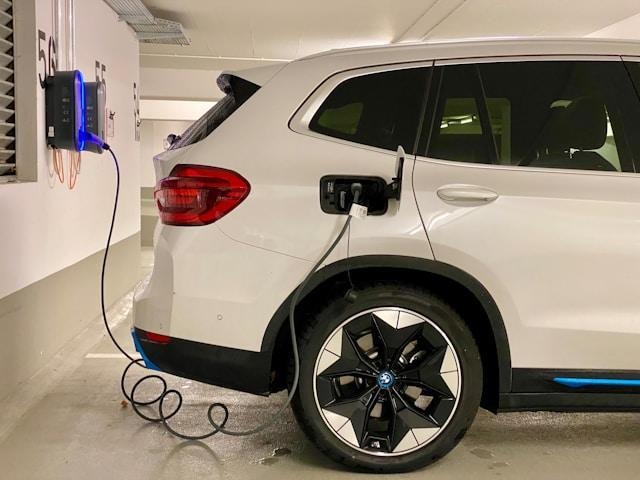
High-mileage commuters benefit most from hybrid technology, particularly in stop-and-go conditions where fuel savings accumulate fastest. Used Prius, Corolla Hybrid, and Elantra Hybrid options are widely available and meaningfully reduce monthly fuel costs. EVs make excellent sense as short-range daily drivers, provided home charging access is available. Without it, a hybrid is almost always the smarter starting point.
When researching used cars boerne tx, it's worth recognizing that Texas's strong truck and SUV culture often leaves compact sedans and hatchbacks sitting on lots a bit longer, which creates genuine negotiating leverage for budget-focused buyers. Use dealership inventory filters, Carfax summaries, and pricing comparison tools to pre-screen vehicles thoroughly before setting foot on the lot.
Walk the exterior looking for uneven body panel gaps, paint inconsistencies, and uneven tire wear. Inside, check seat condition, cabin odor, and whether every electronic feature actually works. On the test drive, pay close attention to smooth shifting, straight braking, and any unusual noise at highway speeds. None of these demands mechanical expertise, just patience and a checklist.
Get real insurance quotes specific to that vehicle and your profile, not ballpark estimates. Research known issues tied to that exact model year, and confirm expected service intervals. A $12,000 vehicle with $3,000 in deferred maintenance isn't the bargain it appears to be on paper.
Routine oil changes, tire rotations, and fluid checks are genuinely the cheapest form of protection a budget driver has. Skipping them compounds costs at a multiplier that's rarely worth the short-term convenience. Staying current on maintenance also preserves resale value when you're ready to trade up.
Smooth acceleration, early braking, and properly inflated tires each make a measurable difference in both fuel economy and component lifespan. These habits quietly extend what your vehicle delivers, no additional investment required.
Used or new, which wins on cost?
Used wins in most scenarios, but new makes strong sense when manufacturer financing is favorable or long-term reliability outweighs a higher monthly payment.
How many miles are too many?
On proven reliable platforms, 120,000–150,000 miles isn't automatically disqualifying. Verified service history and overall condition matter considerably more than raw odometer numbers.
Do hybrids actually save money for daily commuters?
For drivers logging 15,000-plus miles annually, hybrids typically break even within three to four years through fuel savings, often faster in heavy stop-and-go commuting patterns.
Sedan, hatchback, or small SUV for a family?
Families managing car seats and regular cargo generally get more daily utility from small SUVs or hatchbacks. Sedans suit smaller households efficiently.
Finding a smart daily driver comes down to three things: honest priorities, a clear budget ceiling, and knowing where to look. The best budget vehicles for everyday driving aren't necessarily the most exciting ones on the lot, they're the ones that start reliably every morning and don't quietly drain your finances between oil changes. Whether you're weighing a used Corolla, a certified compact SUV, or an affordable new car entry point, the right decision is simply the one that fits your actual life without the financial stress attached.
 Supriyo Khan
 Supriyo Khan
 Supriyo Khan
 Supriyo Khan

Want to add a comment?