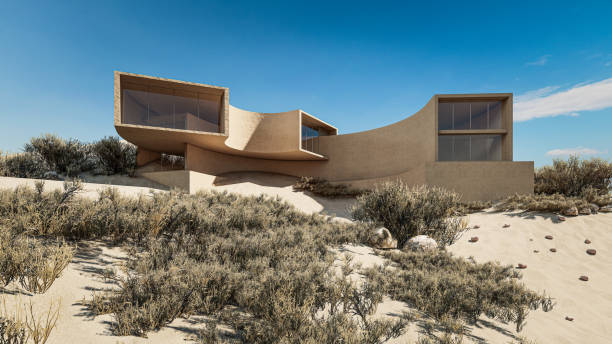
The desert doesn’t forgive half-measures. Heat, glare and parched winds shape every aspect of living here, demanding designs that aren’t just pretty—they’re resilient. Modern homeowners aren’t chasing fads; they want spaces that perform as well as they look. This is where disciplined architecture meets environmental realities. When regional know-how collides with advanced design strategies, the result isn’t just another home. It’s a retreat that thrives in its climate, respects its land and challenges ideas of what desert living can be.
Desert-modern is not about ornamentation. It’s about clean geometry, deliberate lines and a refusal to disguise materials. Earth-toned palettes pull the horizon into the home, while steel and stone give it backbone. This is minimalism sharpened to suit the desert’s extremes. St George-inspired design principles blend restraint with purpose, so every angle, every shade, every texture makes sense in relation to the surrounding terrain. The aesthetic isn’t imposed on the land; it’s coaxed from it, resulting in dwellings that seem less built than revealed.
In this climate, sustainability is non-negotiable. Deep overhangs throw valuable shade. Thick thermal mass walls trap coolness. Cross-ventilation works with prevailing winds rather than against them. Rainwater harvesting, adapted with the precision desert demands, stores precious resources without waste. Greywater reuse integrates seamlessly into these systems. Sustainable St George home design thrives because it doesn’t just meet environmental needs—it elevates them, making efficiency visually compelling. Here, green building isn’t a moral badge. It’s a design imperative.
The best desert homes erase the border between ‘inside’ and ‘outside.’ Open-plan spaces spill into shaded courtyards. Operable glass walls pivot to frame the sky. Comfort becomes mobile, moving with the shifting light and temperature. Locally sourced stone, rammed earth and corrosion-resistant steel anchor these transitions while reducing environmental impact. This isn’t mere spectacle. It’s a choreography of spaces designed for their exact place on the map, where indoor peace and outdoor vastness coexist without friction.
Not all firms are created equal. Depth of portfolio matters, but so does intimate knowledge of microclimates, zoning quirks and the patience to listen. Climate expertise isn’t optional here; it’s the foundation. Review case studies carefully. Demand client testimonials that speak to endurance, not just aesthetics. The smartest move is to work with architects St George who can prove their designs don’t just survive the desert, they own it. This alliance is where visions get translated into livable, lasting reality.
Consider a ridge-top residence that carves itself into bedrock, with living spaces aligned to sunset corridors. Privacy is a function of terrain, and energy comes from discreet solar arrays that mimic shadow play on stone. Or a low-profile courtyard home where walls of rammed earth absorb the day’s heat and release it at night. Both offer privacy without isolation, views without exposure, and sustainability that doesn’t compromise luxury. Each is a blueprint for intelligent desert retreat design.
Costs come from design expertise, premium materials and systems built to last. Cutting corners on talent is false economy. Phasing projects can spread investment without diluting quality. Material substitutions work when they maintain integrity—cement swapped for lime-stabilized earth, for example. Integrated smart technologies keep operating costs low. Treat the initial spend on a seasoned team as insurance. Years from now, you’ll still own a home that works with the desert instead of fighting it.
The future is not static. Modular construction is speeding timelines without sacrificing sophistication. 3D-printed structural elements allow precision tailoring to a site’s quirks. Biophilic integration summons desert flora into courtyards and atriums, softening hard edges. Smart-home systems adjust airflow and water use in real time, tuned to daily climate shifts. These trends aren’t gimmicks; they’re shaping the next wave of retreats that will feel relevant for decades, even under the most punishing skies.
Some designs age badly. Not these. Floor plans that adapt to shifting family dynamics mean fewer renovations. Classic materials like limestone, cedar and weathered steel outlast passing trends. Resale value is rooted in relevance and resilience. Choose finishes and details that won’t beg for replacement every five years. Timeless desert-modern doesn’t chase novelty. It builds permanence into every joint and surface.
Regional expertise paired with bold vision produces homes that feel inevitable in their landscapes. Seek out examples. Study them. Then find the voices who can translate your ambitions into architecture that makes sense under a desert sun. With the right team, luxury is redefined as longevity—and open skies become part of your living room.
 Supriyo Khan
 Supriyo Khan
 Supriyo Khan
 Supriyo Khan

Want to add a comment?