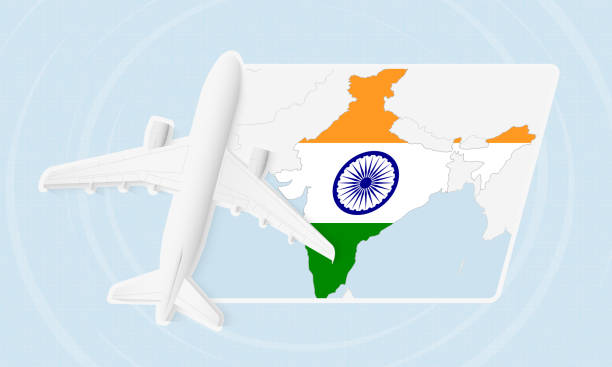
Travelling in India doesn't have to deplete your savings. It is among the countries in which you can travel across states, speak diverse languages, and enjoy a delicious meal, all within a reasonable budget. It is important not to choose the most affordable option each time. It's about knowing where your money is truly important and where it isn't.
Many people believe that the term "budget travel" means inconvenience. This isn't the case. It's simply about making better decisions about travel, where to stay, what to eat, and when. If you plan well, you can make one trip into two without compromising your experience.
On most routes across India, train tickets remain the most economical option for long-distance travel. India has more than 13,000 passenger trains running every day, connecting major cities with smaller towns at fares that buses and flights cannot match. Sleeper-class tickets for an overnight train can be less than an hour's taxi fare to the airport. In fact, AC classes are generally cheap compared to air travel, particularly if booked in advance.
It is much easier to travel on a budget when you verify your pnr status at least a day before departure. Knowing whether your seat is confirmed can help you avoid last-minute changes that may incur additional costs. Some wait-list members may need to consider alternative routes or adjust plans. Doing so earlier can help keep costs in check.
The most expensive expense in travel is transportation between cities. Travelling to too many destinations in a short period can increase travel costs and fatigue. Instead of exploring five cities in a span of seven days, think about choosing two destinations nearby and fully exploring them.
For instance, if you are based in Rajasthan and want to combine Jaipur with Jodhpur, it makes sense rather than including Udaipur or Jaisalmer in a hurry. A shorter transfer time means lower ticket costs and lower spending on local transport.
Slow travel can also help you find local markets, street food, local markets, and experiences in the community that are less expensive than curated tourist attractions.
They save time, but they also increase overall costs. Airport transfers, baggage charges, and food prices can add up. For routes under 600-700 km, trains are generally efficient and cost-effective.
An overnight train can save one night's hotel expenses. If your trip is relaxing enough, you will wake up in a brand new city and not have to pay for accommodation. Multiply that number by three or two long trips, and the savings will become evident. Train travel is also flexible. There are multiple classes to choose from, allowing you to select the level of comfort that best fits your budget.
Accommodation does not need to be in luxurious hotels. India provides a variety of affordable accommodations, from hostels and guesthouses to Dharamshalas and homestays in religious cities. In cities such as Varanasi, Rishikesh, or Kochi Guesthouses that are simple offer well-maintained rooms at affordable prices. Many of them offer breakfast, which can reduce food costs.
Booking directly with small hotels often yields better rates than third-party sites. This also allows for negotiation, particularly during the off-season.
Food is among the pleasures of travelling in India, and it does not have to be costly. The region's thalis, street snacks, and local eateries usually offer higher quality and taste than high-end restaurants. A simple vegetarian thali available in several cities is less expensive than a fast-food meal in a chain restaurant. Street breakfast options such as poha, idli or paratha are delicious and inexpensive. It is important to look at where locals dine. A crowded stall usually indicates quality and freshness.
Auto rickshaws and app-based taxis are effective; however, frequent use can increase daily costs. Many Indian cities offer affordable public transport options, including metro networks, buses, and shared autos.
For example, metro networks in cities such as Delhi, Bengaluru, and Hyderabad connect the most popular tourist destinations at a fraction of the cost of a cab. Walking for short distances will not only help you save money, but also let you get to know the city more. Even small savings on transportation can significantly reduce overall costs.
The peak season increases prices across the board. Prices for hotels rise, and flights are more expensive, and tourist destinations get packed.
Travelling before or after peak seasons typically offers lower prices and more availability. For instance, visiting the hill towns in late August rather than in May can lower accommodation costs while providing pleasant temperatures. Understanding seasonal patterns will help you save money without losing your experience.
The strictness of itineraries can result in excessive spending. Delays in connecting or rush between locations can result in late-night bookings at higher costs.
A buffer day on longer journeys allows you to modify plans without stress. This also allows you to take advantage of unplanned activities that usually cost nothing but can add depth to your trip. Budget travel is not about slashing everything; it's about making smart choices.
It's easy to underestimate how much small purchases can add up to. Food, drinks, impulse purchases, and shorter rides can quickly increase your spending. Setting a daily budget helps you stay on track and not feel limited. Making a note of expenses in your phone could be a big help.
If you can track the amount of money you spend and adjust it in real-time.
India encourages curiosity much more than money. A sunrise on Varkala beach, a nighttime Aarti in Varanasi and a stroll around the old Delhi's streets or even a cup of tea at an unassuming station platform will cost the least amount, but remain forever in the memory.
It is feasible to travel on a budget here because the nation itself is supportive of it. A wide network of rail connections, cheap meals, and a variety of accommodations can make it feasible.
If you concentrate on the quality of life rather than status, the money you spend will stretch further. In many cases, the slower simple journeys tend to be the ones you'll most likely remember.
 Supriyo Khan
 Supriyo Khan
 Supriyo Khan
 Supriyo Khan

Want to add a comment?